Test
Dicorynia guianensis
TAXONOMIE
FamilieFabaceae
GattungDicorynia
Zone11
MEHR ERFAHREN
Plants of the World OnlineUM
Dicorynia guianensis, commonly known as Basralocus or Angelique, is a hardwood tree native to the tropical rainforests of South America, particularly in French Guiana, Suriname, and Brazil. It belongs to the Fabaceae family and is known for its durable and water-resistant wood, which is often used in construction and boat building.
AUCH BEKANNT ALS
Letterwood
ÜBERBLICK
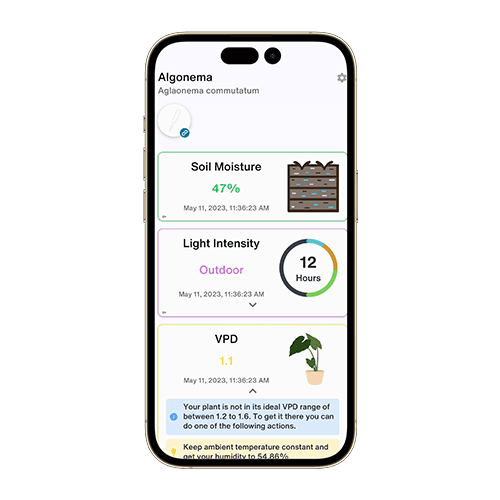
VPDBerechnung
WasserSehr feucht
BodenLehmig
LichtDirekt hell (8 Std)
Temperatur25° C
Feuchtigkeit80
PH5,5
Druck1.013
EINZELHEITEN
Pflegehinweise
Dicorynia guianensis thrives in wet tropical climates with high humidity and consistent temperatures. It requires bright, direct sunlight for optimal growth. Regular watering is essential to keep the soil consistently wet. The tree prefers moderate to high temperatures and high humidity levels.Boden
This tree prefers loamy soil that is rich in organic matter and retains moisture well. Good drainage is essential to prevent waterlogging, but the soil should remain consistently wet. A slightly acidic to neutral pH is ideal.Dünger
Dicorynia guianensis benefits from a balanced fertilizer with an N-P-K ratio of 10-10-10. Fertilize during the growing season to support its rapid growth. Follow the manufacturer's instructions for frequency and application rates.Umtopfen
Repotting is generally not necessary for this tree as it is typically grown outdoors. However, if grown in a container during its early stages, repot when the tree outgrows its current pot. Ensure the new pot has adequate drainage and use a rich, loamy soil mix.Vermehrung
Propagation of Dicorynia guianensis is typically done through seeds. Sow seeds in a well-draining, moist soil mix and keep them in a warm, humid environment. Germination can take several weeks. Ensure young seedlings receive ample light and moisture.Beschneidung
Pruning is necessary to maintain the tree's shape and remove any dead or diseased branches. Prune during the dry season to minimize the risk of disease. Use clean, sharp tools to make clean cuts and promote healthy growth.Toxizität
Dicorynia guianensis is not known to be toxic to pets or humans. However, as with all plants, it is advisable to keep pets and children from ingesting any plant material.Zusätzlich
Dicorynia guianensis is valued for its durable wood, which is resistant to decay and insects. It is often used in construction, particularly in areas with high humidity and water exposure. The tree also plays a role in its native ecosystem, providing habitat and food for various wildlife species.REVOLUTIONIEREN SIE IHRE PFLANZENPFLEGE
Machen Sie Jede Pflanze Intelligent
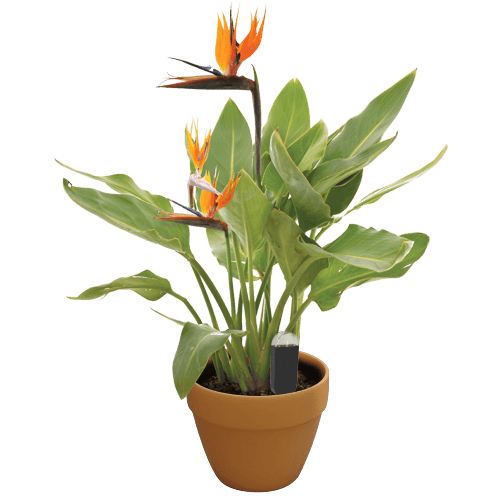
Pflanzenmonitor
BLEIBT IN IHRER ANLAGE
Misst präzise die Kernwerte Ihrer Pflanze – Bodenfeuchtigkeit, Licht, Temperatur und Luftfeuchtigkeit – sowie zusammengesetzte Werte wie Dampfdruckdefizit (VPD) und Wachstumsgradtage (GDD).
Jetzt einkaufen